Why Kentucky Homeowners Waste Money Fighting Their Windows (And Don't Even Know It)
TLDR;
Your windows are sabotaging your comfort in Kentucky's extreme climate. Learn why standard window treatments fail and what actually works in Murray, Berea, Harlan, and Corbin.
Stand in your living room on a humid August afternoon in Murray or Corbin. Your AC runs constantly, but the room near your west-facing windows feels oppressive. Move to your bedroom on a January morning in Berea or Harlan. Despite the furnace running all night, you wake up cold because heat radiates through the glass.
Your windows are working against you every single day, and most homeowners never realize the problem isn't their HVAC system.
Kentucky's climate creates unique thermal challenges that standard windows simply cannot handle. From the humid river valleys of Western Kentucky to the Appalachian mountains in the east, temperature extremes and moisture levels create perfect conditions for energy waste through windows.
The gap in your home's thermal envelope isn't in your walls or attic. It's staring you in the face every time you look outside.
Kentucky's Climate Challenge: Why Location Matters
Kentucky spans multiple climate zones, creating varied challenges across the state:
Western Kentucky (Murray, Paducah region): Hot, humid summers with temperatures regularly exceeding 90 degrees. Proximity to rivers and lakes amplifies humidity. Moderate winters with occasional severe cold snaps. High moisture levels year-round affect window performance and condensation issues.
Central Kentucky (Lexington, Berea region): Classic mixed-humid climate with genuine four seasons. Hot summers requiring significant cooling. Cold winters demanding reliable heating. Spring and fall temperature swings of 40 degrees between morning and evening are common.
Eastern Kentucky (Harlan, Corbin, Appalachian region): Mountain influences create microclimates with cooler summers but brutally cold winters. Elevation increases heating demands. Higher altitude means more intense solar radiation. Mountain valleys trap cold air, creating persistent winter heating challenges.
Understanding your specific region determines which window treatment approach actually works rather than just looks attractive.
The Hidden Physics: What's Actually Happening at Your Windows
Windows represent the weakest thermal link in your home's envelope. While your walls provide insulation values of R-13 to R-19, standard double-pane windows rate R-2 to R-3. That's six to seven times less insulation in components that typically represent 15 to 20 percent of your exterior wall area.
Summer Heat Transfer: Solar radiation passes through glass and converts to thermal energy inside your home. Glass surface temperatures can reach 110 to 120 degrees on south and west exposures. That superheated glass radiates heat into your rooms for hours, even after direct sun passes. Your AC fights this heat gain all afternoon and evening.
Winter Heat Loss: Glass conducts heat rapidly. Warm interior air contacts cold window surfaces, transferring heat through the glass to the outside. This creates cold drafts near windows as cooled air falls and flows across your floor. Your furnace runs constantly replacing lost heat.
Humidity and Condensation: Kentucky's high humidity exacerbates window problems. Warm, moist air hitting cold glass creates condensation that damages frames, promotes mold growth, and indicates significant energy loss. The moisture issue is particularly severe in Murray and other western Kentucky locations near water.
Why Your Current Approach Isn't Working
Most Kentucky homeowners try these common solutions:
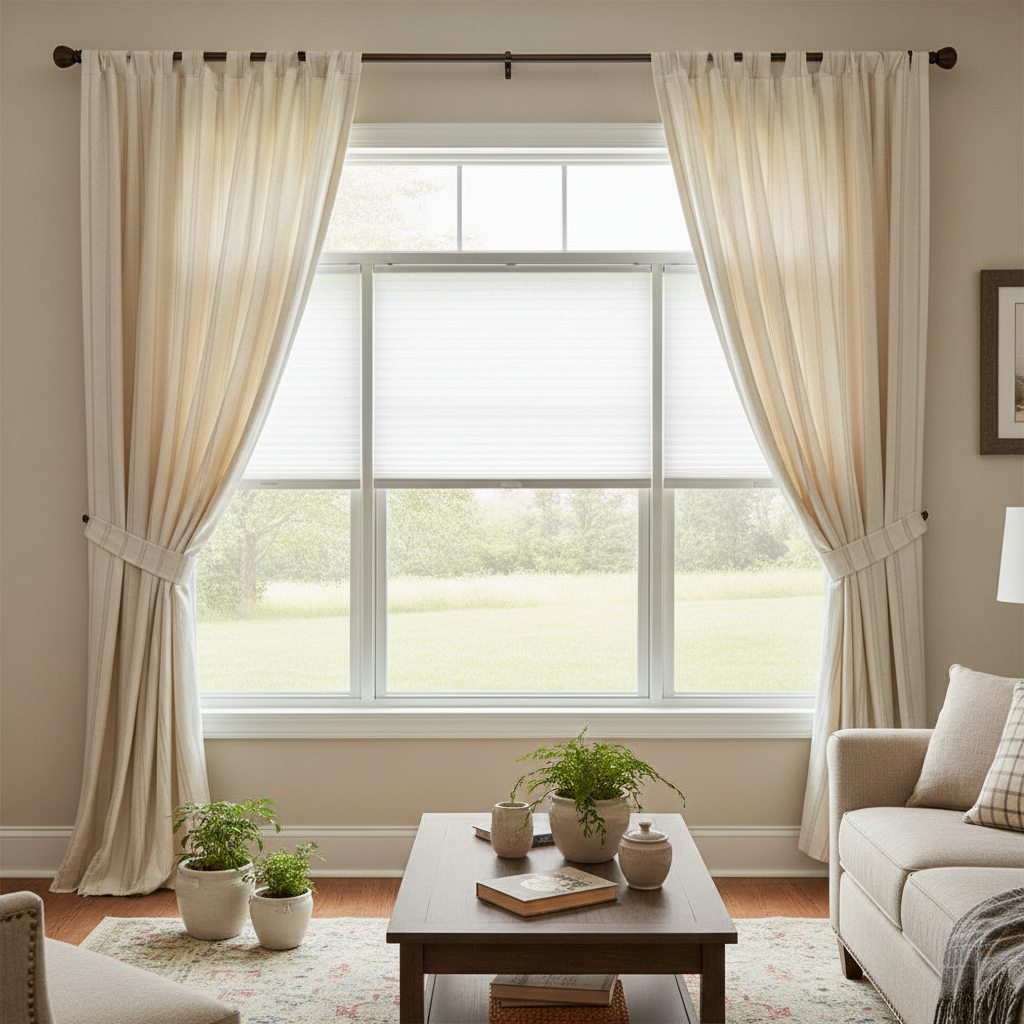
Basic Blinds or Curtains: These block visible light but do nothing about thermal transfer. Solar energy has already entered your home by the time it reaches interior treatments. You've reduced glare but not heat gain.
Window Film: Films reduce solar transmission moderately but darken rooms, can void window warranties, and require professional installation. They're permanent changes that don't address winter heat loss.
Leaving Curtains Closed: Effective for heat control but defeats the purpose of having windows. Natural light has documented benefits for mood, health, and productivity. Living in darkness isn't a solution.
Running HVAC Harder: This treats symptoms, not causes. You're spending more money fighting heat that shouldn't be entering your home or replacing heat that shouldn't be escaping.
The R-Value Gap: Understanding Window Performance
Your attic insulation has an R-value you probably know. Your wall insulation has an R-value your builder specified. But your windows?
Standard Kentucky Window Performance: Most homes in Murray, Berea, Harlan, and Corbin have standard double-pane windows rating R-2 to R-3. Better windows with low-E coatings might reach R-4. Compare that to your walls at R-13 to R-19.
High-Performance Window Treatments Add: Cellular shades with double-cell construction add R-3.5 to R-5.0. Properly installed plantation shutters add R-2.0 to R-3.0. These treatments can double or triple your window's effective insulation value.
The difference is measurable in comfort and utility costs.
Orientation Matters: Why Some Rooms Are Worse
The sun's path across Kentucky creates predictable problem areas:
South-Facing Windows: Receive intense low-angle winter sun that penetrates deep into rooms. Get moderate summer exposure when the sun is higher. Year-round exposure requires balanced solutions that handle both heating and cooling seasons.
West-Facing Windows: The worst offenders in summer. Afternoon sun from 2 PM to 7 PM bakes these windows with intense, low-angle radiation. Common in living rooms and master bedrooms, making spaces unusable during peak afternoon hours.
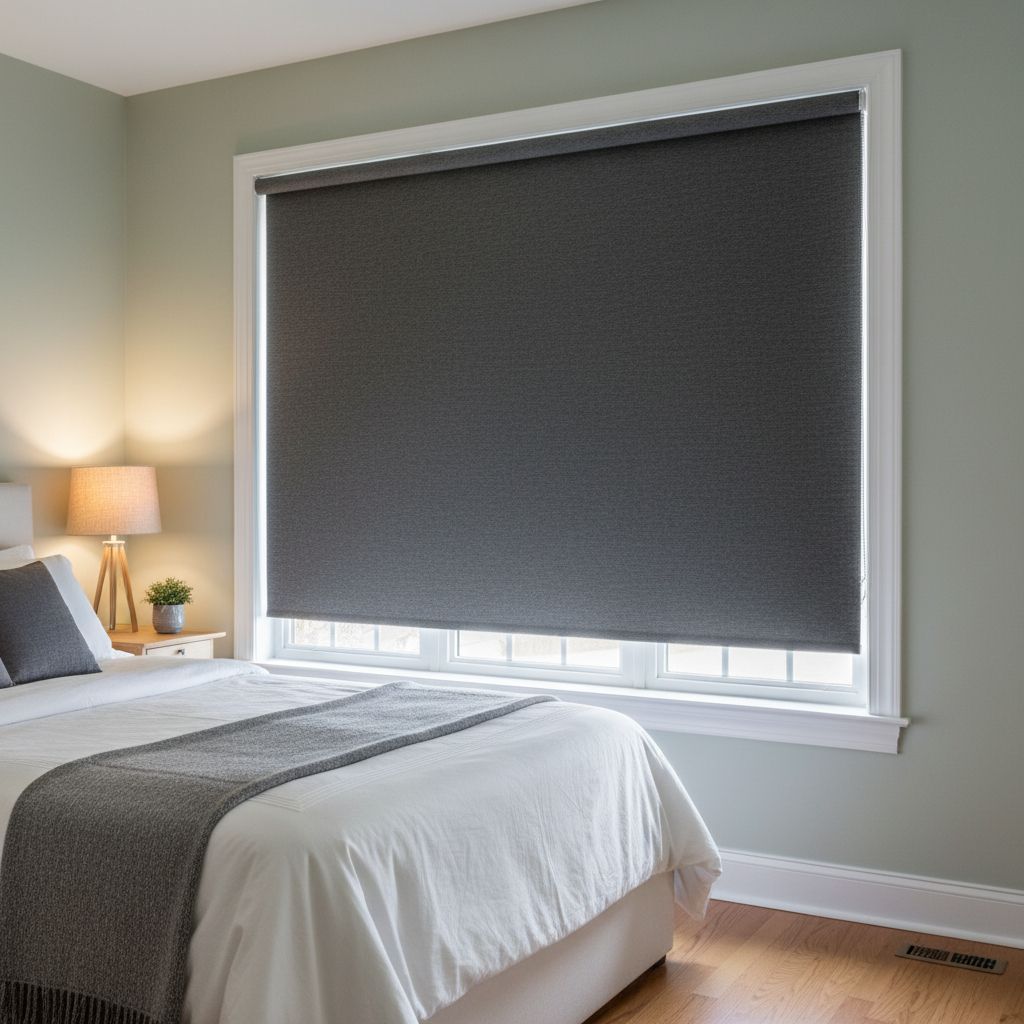
East-Facing Windows: Morning sun is less intense and often welcome. Generally less problematic except in bedrooms where early morning heat can disrupt sleep.
North-Facing Windows: Minimal direct sun exposure. Less heat gain but also less beneficial solar heating in winter. These are your lowest-priority windows for solar control treatments.
Understanding which windows cause the most problems helps prioritize where to invest in
high-performance treatments.
The Three-Layer Defense: How Professional Solutions Work
Effective window thermal management uses multiple barriers:
Layer 1: Solar Control Intercept and reflect solar radiation before it converts to heat inside your home. Solar shades excel at this by reflecting infrared radiation back through the glass while allowing varying amounts of visible light and view.
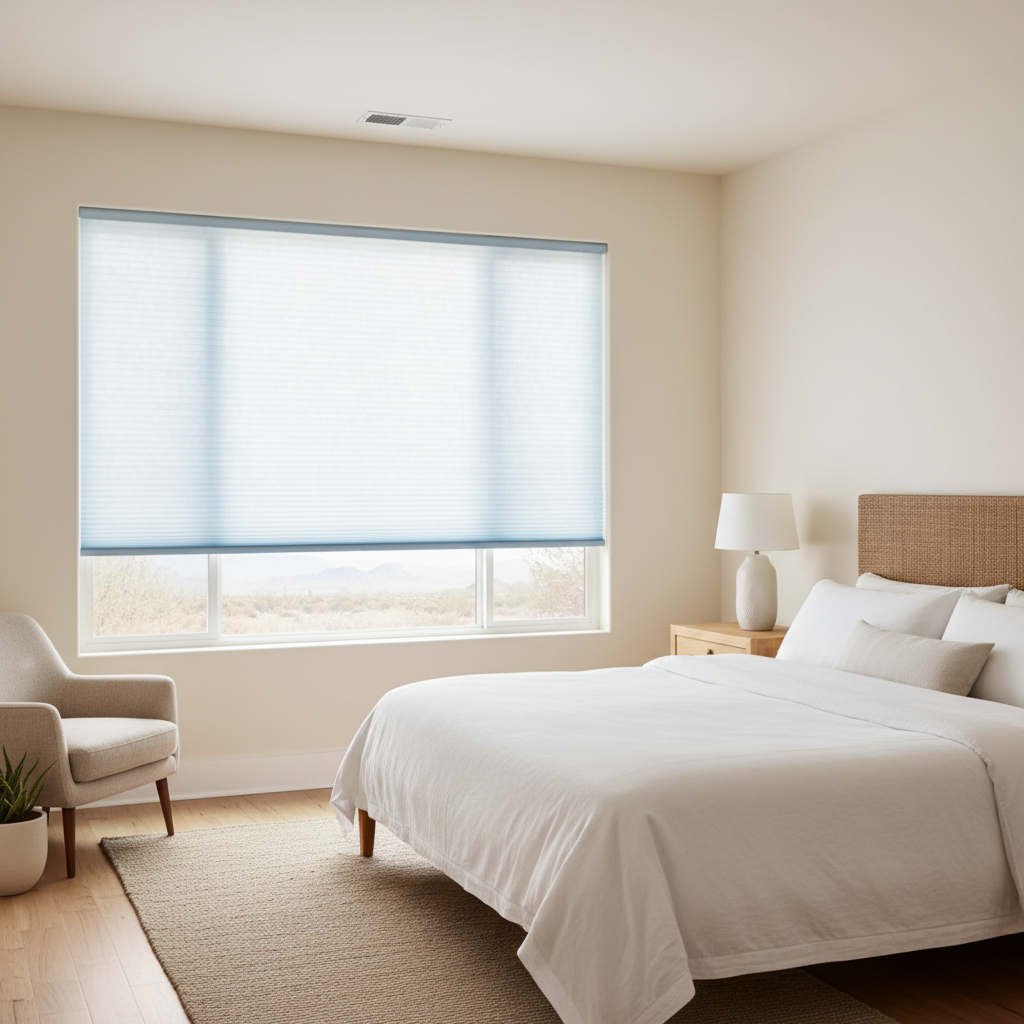
Layer 2: Insulation Barrier Create trapped air spaces that resist heat flow in both directions. Cellular shades achieve this with honeycomb structures that trap air in sealed pockets. This layer keeps summer heat out and winter heat in.
Layer 3: Thermal Mass Buffer Separate hot or cold glass from room air. Plantation shutters and heavy cellular shades create a buffer zone that moderates the temperature gradient between glass and living space.
Single-layer approaches rarely solve Kentucky's year-round challenges. Comprehensive solutions address multiple heat transfer mechanisms simultaneously.
Material Science: Why Composition Matters
Cellular Shade Engineering: The honeycomb structure isn't decorative. Sealed air pockets prevent convection currents that would transfer heat. Double-cell construction creates two layers of trapped air. Each additional layer increases R-value but also adds cost and visual bulk. For Kentucky's climate extremes, double-cell construction represents the optimal balance.
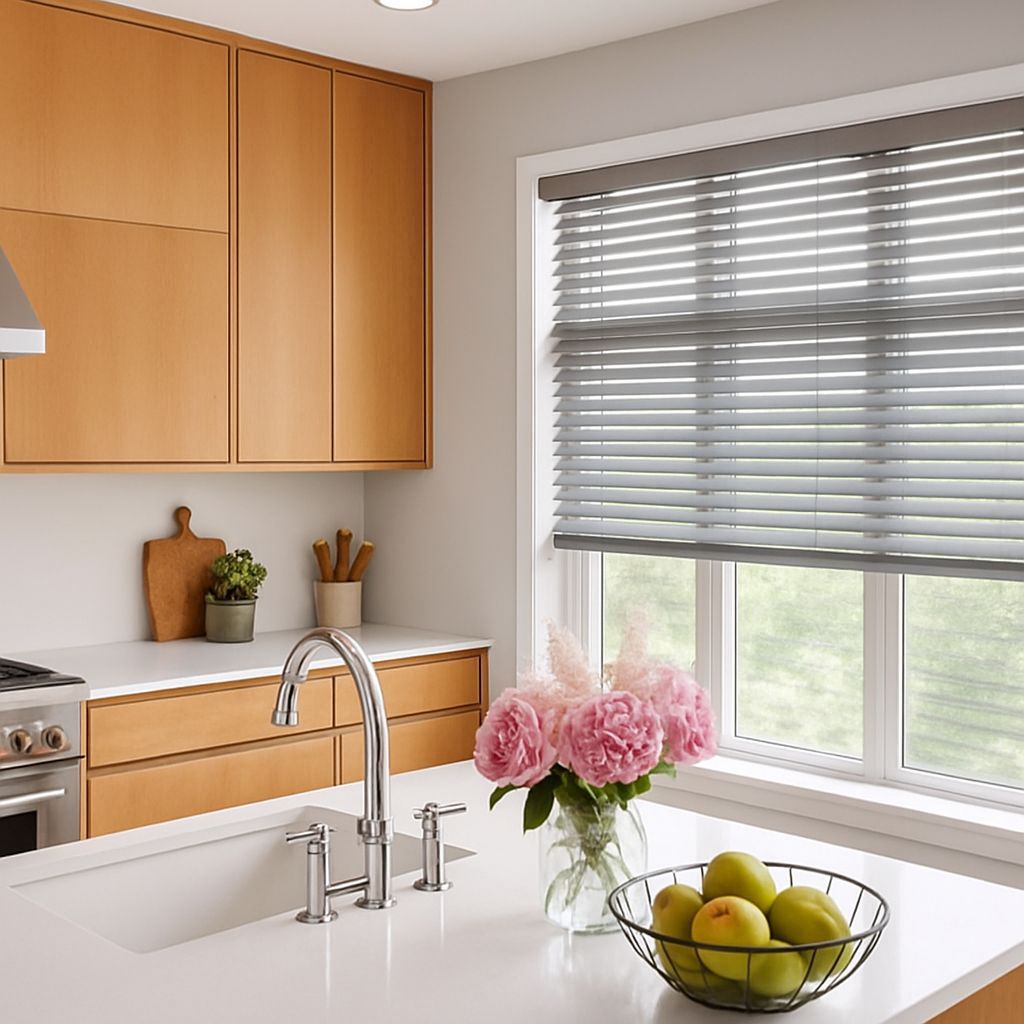
Plantation Shutter Construction: Material choice significantly affects performance. Composite materials outperform traditional wood in Kentucky's humid climate because they resist moisture absorption and warping. Vinyl shutters cost less but offer inferior insulation and limited style options. Real wood shutters provide beauty but require maintenance and careful moisture management.
Solar Shade Technology: Weave tightness determines performance. Openness factor measures the percentage of open space in the fabric weave. Lower percentages block more heat and light but reduce visibility. Higher percentages maintain better views but allow more solar heat transmission. The choice depends on whether view preservation or maximum solar control is your priority.
Climate-Specific Solutions for Kentucky Regions
Western Kentucky (Murray and surrounding areas): High humidity demands moisture-resistant treatments. Composite shutters excel in bathrooms and kitchens. Cellular shades should be specified with moisture-resistant fabrics. Solar shades work well but consider layering for nighttime insulation. Focus on south and west windows where summer heat gain is most severe.
Central Kentucky (Berea and surrounding areas): Balanced four-season performance is essential. Double-cell cellular shades provide excellent year-round insulation. Plantation shutters offer versatility for variable conditions. Consider top-down bottom-up cellular shades for rooms where privacy and natural light both matter.
Eastern Kentucky (Harlan, Corbin, mountain regions): Winter heating costs often exceed summer cooling costs. Prioritize insulation value over solar control. Triple-cell cellular shades justify their cost in extreme mountain climates. Shutters provide excellent winter performance and last decades in the harsh temperature swings. Layer treatments on large windows or cathedral ceilings where heat loss is most significant.
Beyond Temperature: Complete Performance Benefits
Glare Reduction: Solar shades and cellular shades eliminate screen glare without darkening rooms. Critical for home offices where computer work is constant. Particularly valuable in Corbin and Murray where many residents work from home.
Acoustic Dampening: Cellular shades reduce exterior noise transmission. Homes near busy roads in Berea or near highways in Harlan benefit from the sound dampening properties of honeycomb structures.
UV Protection: Quality window treatments block 95 to 99 percent of ultraviolet radiation. This prevents fading damage to furniture, flooring, and artwork. The cost of replacing faded furnishings often exceeds the cost of protective window treatments.
Privacy Control: Growing suburban development means homes are closer together throughout Kentucky. Modern treatments provide privacy without sacrificing natural light through options like top-down shades and adjustable shutters.
Installation Quality: The Performance Multiplier
Premium treatments underperform with poor installation. Common mistakes include:
- Gaps around mounting brackets allow air infiltration that destroys insulation value.
- Improper measurements leave spaces where heat transfers freely.
- Missing side channels on cellular shades eliminate edge seals.
- Incorrect bracket placement causes sagging and uneven operation.
Professional installation ensures treatments mount flush, seal properly, and operate smoothly for years. The gap between rated performance and actual performance almost always traces back to installation quality.
The Replacement Window Alternative
New energy-efficient windows cost $500 to $1,000 per window installed. For a typical Kentucky home with 15 windows, total replacement costs $7,500 to $15,000.
Quality window treatments for the same home cost $3,000 to $8,000 while delivering comparable energy performance immediately. Treatments also add aesthetic value, provide privacy control, and can be updated as styles change without replacing permanent architectural elements.
Smart Integration: Modern Advantages
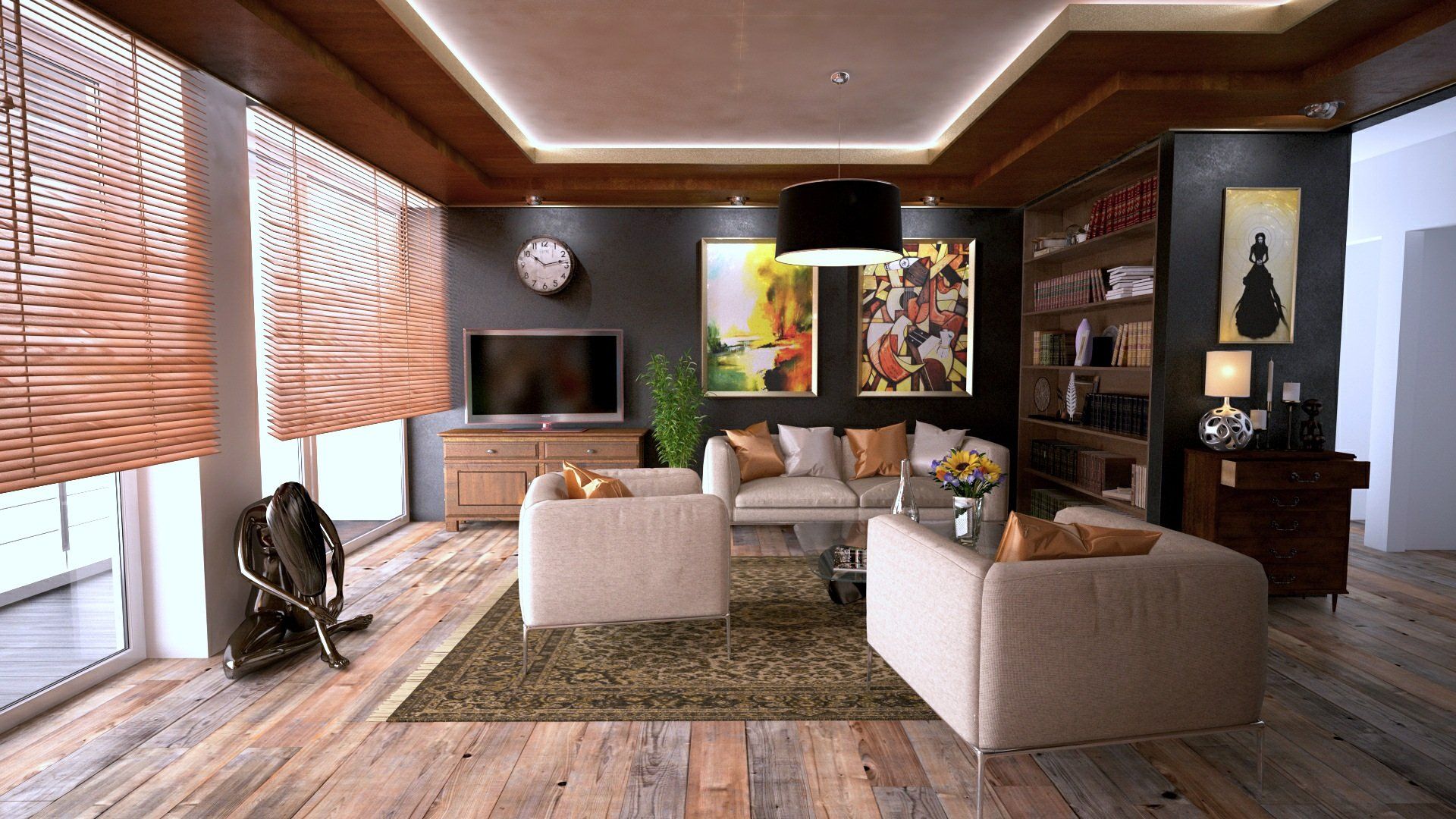
Motorization and automation enhance thermal performance by ensuring treatments actually get used:
Scheduled Operation: Program shades to close automatically when afternoon sun hits problem windows. Most homeowners forget manual operation until rooms are already overheated.
Temperature-Based Control: Advanced systems integrate with smart thermostats to close shades when room temperatures rise, reducing HVAC load proactively.
Remote Access: Close shades remotely before arriving home, preventing afternoon heat buildup in Murray's summer or heat loss during Harlan's winter workdays.
While motorization adds cost, the convenience ensures optimal daily operation that maximizes energy performance.
Making the Decision: A Practical Framework
Rather than focusing solely on price, consider:
Problem Severity: Which rooms are unusable due to temperature extremes? Start with high-performance solutions in those spaces.
Timeline: Planning to sell within five years? Shutters add measurable perceived value. Staying long-term? Prioritize energy savings and comfort.
Usage Patterns: Work from home? Glare control becomes critical. Young children? Cordless safety is non-negotiable. Value mountain views? Solar shades preserve them.
Architectural Style: Historic home in Berea? Shutters maintain character. Modern construction in Murray? Contemporary cellular shades complement clean lines.
Getting Professional Assessment

Quality window treatment companies evaluate:
Window Analysis: Orientation, size, existing glazing, frame condition, and external factors like trees or neighboring buildings that affect solar exposure.
Room Function: How you use each space determines appropriate solutions. Bedrooms have different needs than home offices or living areas.
Regional Climate: Western Kentucky humidity differs from Eastern Kentucky mountain cold. Solutions must match your specific microclimate.
Budget Alignment: Professional consultations match performance requirements with financial realities, often phasing installations to manage costs.
Next Steps: Comparing Your Options
Understanding why Kentucky windows create problems is the foundation. The next step is knowing which specific treatment type fits your needs, budget, and home.
For detailed comparison of cellular shades, plantation shutters, and solar shades including performance data, durability expectations, and ideal applications for Kentucky homes, read our design checklist or check out our products.