How Long Do Blinds Last? A Kentucky Homeowner's Complete Guide
Standing in your living room, you examine the blinds you installed when you first moved in seven years ago. They still work fine, but you've started wondering: how much longer will these last? Should you be budgeting for replacements soon, or do you have several more years before you need to worry about it?
Understanding window treatment lifespan isn't just about planning expenses—it's about knowing when functional blinds cross the line into outdated, inefficient, or potentially problematic territory. Your blinds and shades work constantly to manage Kentucky's variable climate, control privacy, and protect your furniture from sun damage. Knowing their expected durability helps you make informed decisions about maintenance, upgrades, and budgeting.
Here's how that works:
Most homeowners have no idea how long their window treatments should reasonably last, leading to either premature replacement (wasting money) or keeping them far too long (losing efficiency and increasing energy costs). Industry standards suggest 7-10 years for quality blinds, but Kentucky's specific climate conditions—humidity swings, seasonal temperature extremes, and varying sun exposure—can dramatically alter those expectations in either direction.
The reality is that blind longevity depends heavily on material choice, window location, usage patterns, and maintenance habits.
In this guide, we'll explore realistic lifespan expectations for different blind types in Kentucky homes, identify the factors that extend or shorten durability, and help you develop a smart strategy for maximizing your window treatment investment while knowing exactly when upgrades make financial sense.
What Determines Window Treatment Lifespan?
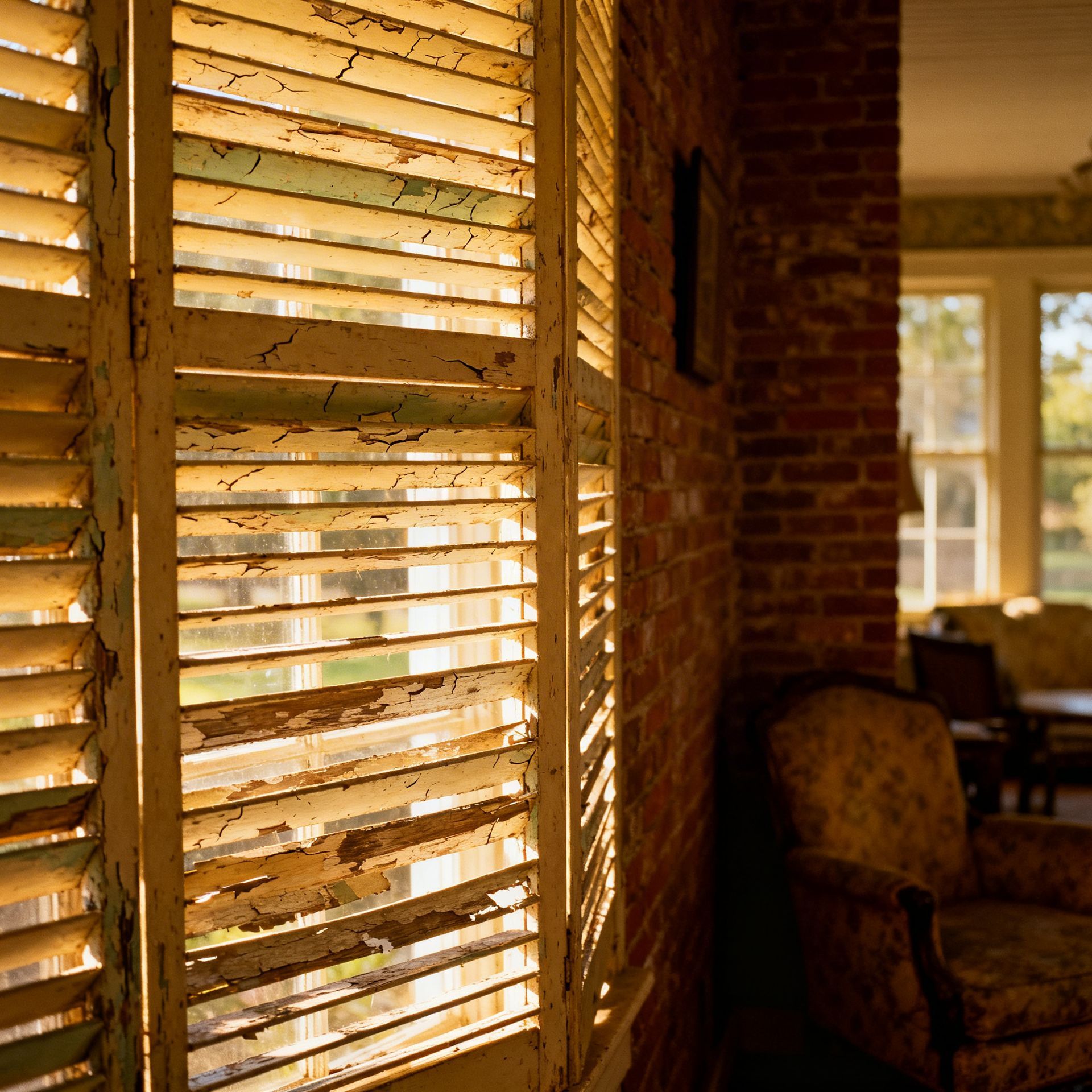
Window treatment durability isn't a simple number—it's the result of multiple interacting factors. Material quality, manufacturing standards, installation precision, and environmental conditions all play crucial roles in how long your blinds remain functional and attractive.
The materials used in construction form the foundation of longevity. Premium materials with UV-resistant coatings, moisture-resistant finishes, and robust mechanical components naturally outlast budget alternatives. But even the best materials face challenges in real-world conditions, particularly in Kentucky where we experience the full range of seasonal weather patterns.
Why is that?
Kentucky's climate sits in a unique zone where we experience genuine winters with freezing temperatures, hot and humid summers, dramatic spring storms, and significant temperature fluctuations between day and night. This constant expansion and contraction stresses materials in ways that stable climates don't. Windows facing different directions experience vastly different conditions—a north-facing window in a shaded area versus a southwest exposure receiving intense afternoon sun might see a 5-year difference in treatment lifespan.
Quality installation significantly impacts how long blinds last. Improperly mounted treatments experience uneven stress, premature mechanism wear, and accelerated deterioration. Professional installation ensures proper fit, correct tension, and optimal mounting that allows treatments to function as designed for their full expected lifespan.
Usage patterns matter more than most people realize. Blinds in high-traffic areas that get adjusted multiple times daily wear out faster than those in guest rooms that rarely get touched. Homes with children or pets typically see accelerated wear from rougher handling and accidental damage.
Expected Lifespan by Material Type
Different blind and shade materials respond differently to Kentucky's environmental conditions. Understanding these differences helps you set realistic expectations and choose appropriate products for specific locations.
Realistic lifespan expectations for Kentucky conditions:
- Aluminum mini blinds: 5-7 years (affordable but prone to bending and denting)
- Faux wood blinds: 7-10 years (excellent moisture resistance for bathrooms/kitchens)
- Real wood blinds: 10-15 years (premium appearance but humidity-sensitive)
- Cellular/honeycomb shades: 5-8 years (fabric degrades from UV and dust accumulation)
- Vertical blinds: 7-10 years (good for large windows, vanes can warp)
- Roller shades: 5-7 years (lifespan heavily depends on fabric quality)
- Plantation shutters: 15-20+ years (highest durability, composite outperforms wood)
These ranges assume moderate use in climate-controlled Kentucky homes. Actual performance varies based on specific conditions, maintenance quality, and how aggressively the treatments get used daily.
Kentucky-Specific Environmental Factors
Several aspects of Kentucky's environment create unique durability challenges that homeowners should understand when selecting and maintaining window treatments.
Humidity fluctuations top the list for Kentucky. Unlike consistently humid climates or consistently dry ones, we swing between extremes seasonally and even daily. Spring and summer bring 60-80% humidity, while winter indoor heating can drop levels below 30%. This constant cycling causes wood to expand and contract, promotes mildew growth on fabrics, and accelerates corrosion on metal components.
Temperature extremes between seasons stress materials significantly. Kentucky summers regularly reach the low-to-mid 90s, while winters drop below freezing. Windows—particularly single-pane or older double-pane units—transfer these temperature extremes directly to mounted treatments. South and west-facing exposures experience the most intense heating, which degrades adhesives, warps materials, and fades colors faster.
UV radiation intensity varies considerably by season and window orientation. Kentucky's latitude means we get strong summer sun but also significant seasonal variation. Treatments on southern exposures work hardest during winter months when the sun's lower angle puts it directly on windows for extended periods.
How Long Different Blind Types Actually Last in Kentucky
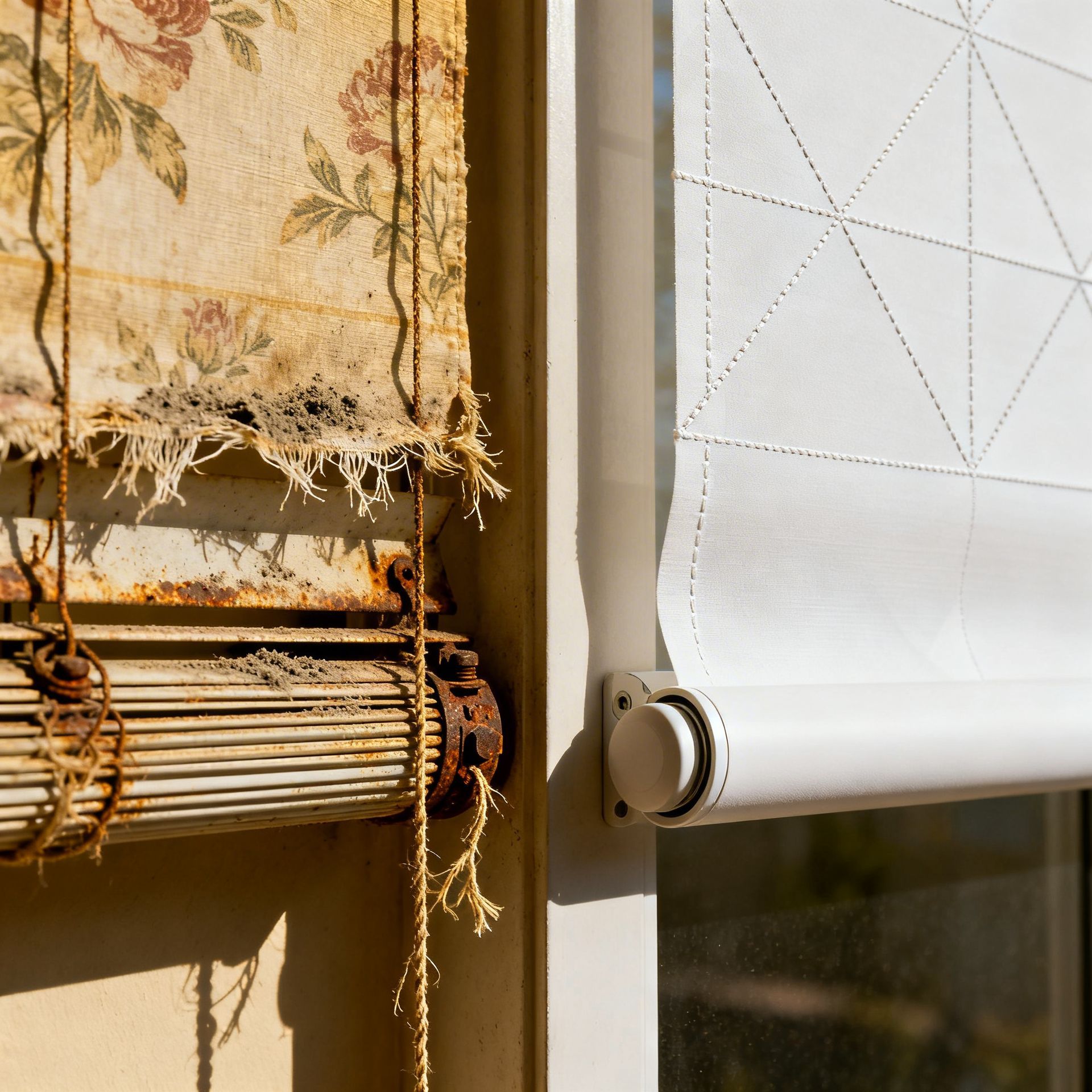
Moving beyond general estimates, let's examine specific performance expectations for popular blind types in typical Kentucky homes. These assessments reflect real-world experience rather than manufacturer claims.
Aluminum mini blinds represent the economy option, and their 5-7 year lifespan reflects that positioning. You'll typically see slat bending around year 3-4, especially on wider windows where the extended span creates more flex points. Color fading becomes noticeable by year 5 on sun-exposed windows. The tilt mechanism usually outlasts the slats themselves—failures typically come from physical damage rather than mechanical breakdown.
Here's what that looks like:
By year 3, you'll notice individual slats that no longer lay perfectly flat. Year 5 brings visible color differences between sun-exposed and protected areas. Year 6-7, enough slats are bent or damaged that the blind looks obviously worn even when functioning mechanically. For budget-conscious homeowners, aluminum blinds make sense in low-visibility areas or rental properties, but premium spaces deserve longer-lasting options.
Faux Wood Blinds: The Kentucky Sweet Spot
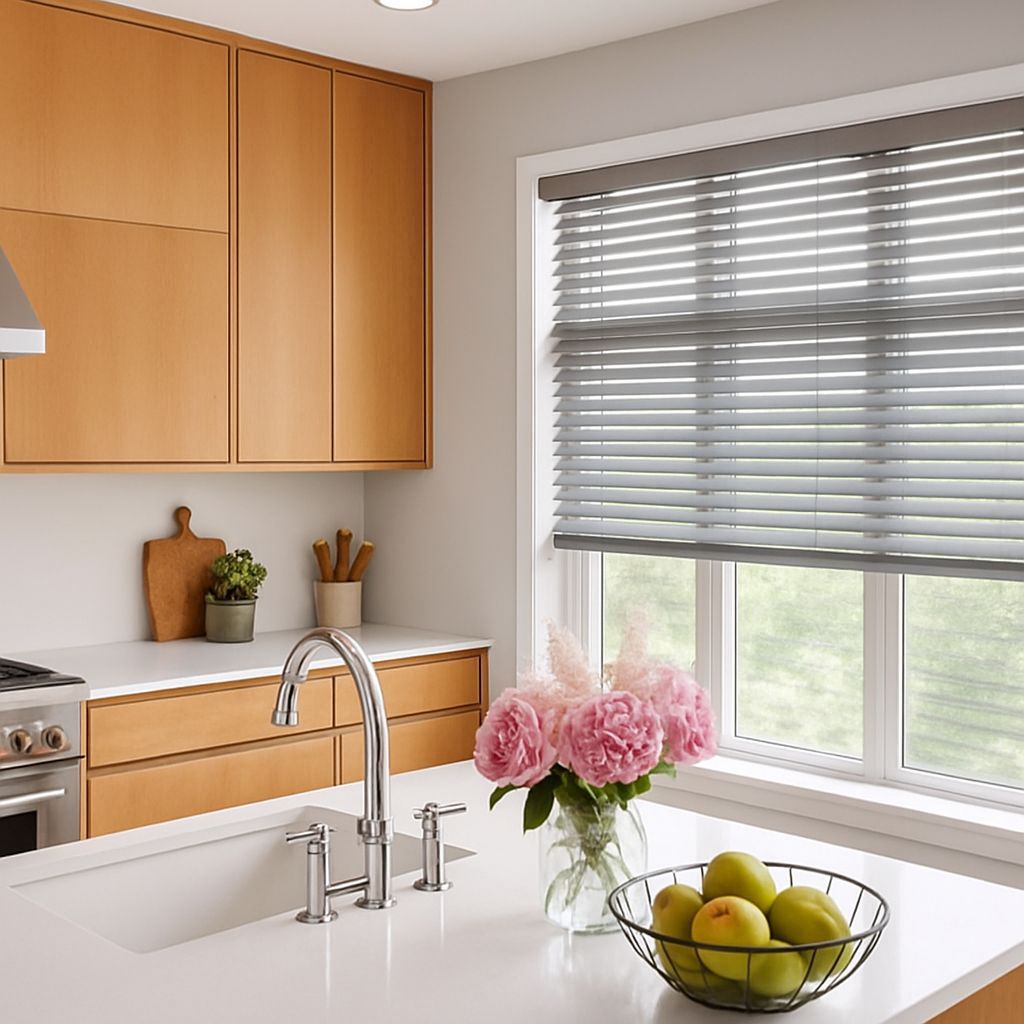
Faux wood blinds hit an excellent balance of durability, moisture resistance, and cost-effectiveness for Kentucky homes. Their 7-10 year lifespan reflects genuine longevity under our climate conditions.
These blinds excel in moisture-prone areas where real wood would warp, including kitchens, bathrooms, and basement windows. The composite materials resist humidity swings that plague Kentucky homes, maintaining their shape and finish through multiple seasonal cycles. UV-resistant finishes on quality faux wood products prevent the yellowing and fading that plague cheaper alternatives.
Expect peak performance through year 6-7, with gradual decline afterward. The lift mechanism typically shows wear first—you'll notice slightly increased resistance when raising or lowering. Tilt functionality usually remains solid through year 8-9. Physical appearance holds up remarkably well; quality faux wood blinds still look presentable at year 10, though you'll likely want to upgrade for aesthetic freshness rather than functional failure.
Real Wood Blinds: Premium Aesthetics, Maintenance Required
Real wood blinds offer unmatched natural beauty and can last 10-15 years in Kentucky homes, but only with proper care and appropriate placement.
The key factor is humidity control. Wood blinds in climate-controlled areas away from moisture sources perform beautifully. Install them in a bathroom or kitchen, and lifespan drops to 6-8 years as humidity causes warping, finish deterioration, and potential mildew issues. Southern and western exposures also reduce longevity; intense sun fades stains and dries wood, leading to cracking.
For optimal performance, place wood blinds in bedrooms, living rooms, and dining areas where humidity stays controlled and direct sun exposure is moderate. Regular dusting and occasional reconditioning with wood polish extends their attractive appearance well into year 12-14. By year 15, even well-maintained wood blinds typically show enough cumulative sun fading and minor warping to warrant replacement, though they may still function adequately.
Cellular Shades: Energy Efficiency with Time Limits
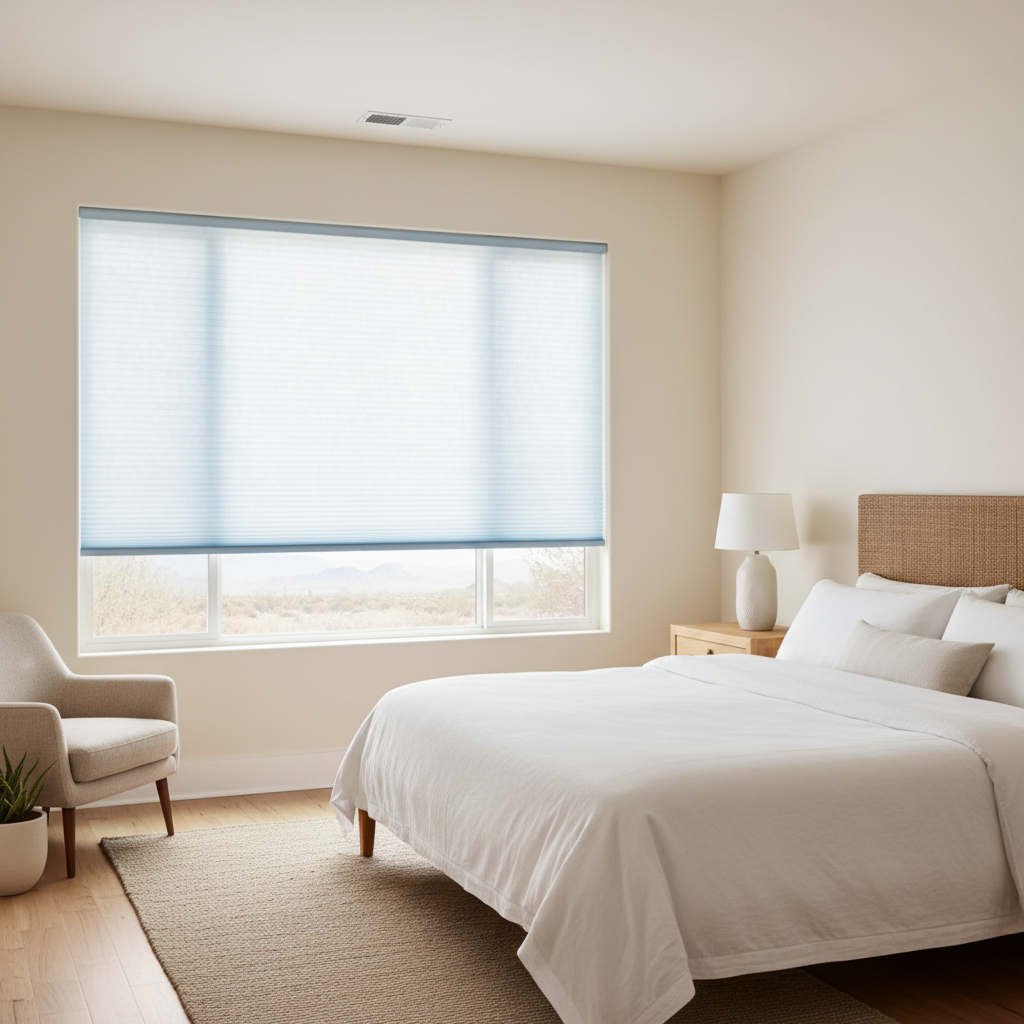
Cellular or honeycomb shades deliver excellent insulation and light control but have a more limited 5-8 year lifespan due to their fabric construction.
The honeycomb structure traps air effectively, making these shades popular for energy-conscious Kentucky homeowners trying to reduce heating and cooling costs. However, that same structure collects dust and debris that's difficult to clean thoroughly. Over time, this buildup becomes visible, particularly on light-colored fabrics.
UV exposure degrades the fabric progressively. By year 4-5, you'll notice subtle color changes on sun-exposed shades. Year 6 brings more obvious fading and potential fabric weakening where sunlight hits consistently. The pleating begins losing crispness, and the shade takes on a slightly saggy appearance. Mechanical components—lift systems and cord locks, typically remain functional longer than the fabric stays attractive, meaning replacement is usually aesthetic rather than functional.
Factors That Extend Blind Lifespan
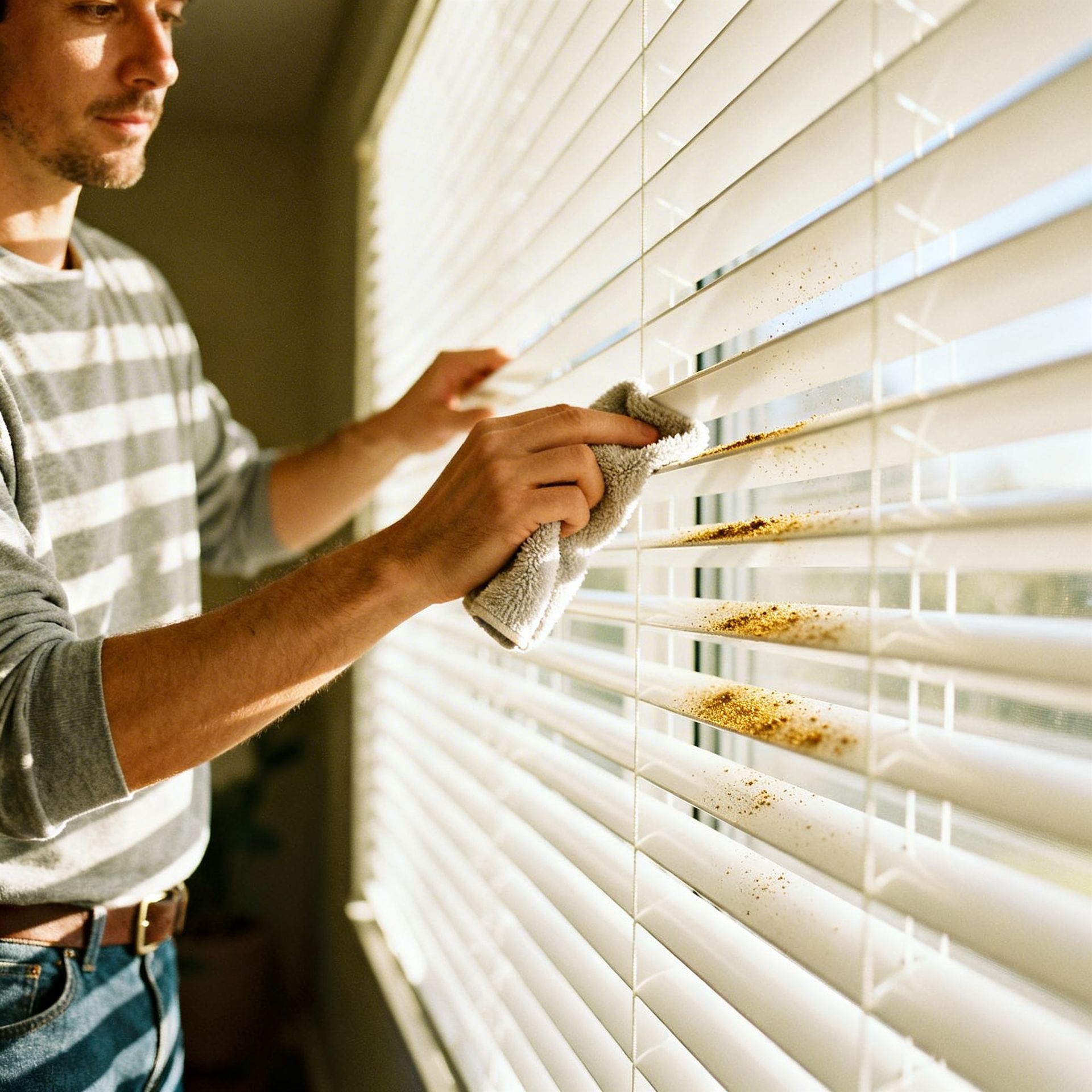
While material quality and climate conditions set baseline expectations, several controllable factors significantly influence how long your blinds actually last in practice. Small investments in care and strategic choices compound over years into substantially extended lifespan.
Proper installation provides the foundation for longevity. Blinds mounted with correct tension, appropriate brackets, and accurate measurements experience even stress distribution during operation. Crooked installations or insufficient support create friction points and uneven weight bearing that accelerate wear. Professional installers ensure treatments hang level, operate smoothly, and have adequate clearance—factors that seem minor initially but prevent cumulative damage over years.
Here's where regular maintenance can enter the picture.
Dust and debris act like sandpaper in mechanical components, gradually wearing down gears, cords, and moving parts. Weekly dusting removes abrasive particles before they cause damage. Quarterly deep cleaning with appropriate products prevents buildup that becomes increasingly difficult to remove and eventually causes permanent discoloration or material degradation.
Smart Usage Habits
How you operate your blinds daily affects their longevity more than most homeowners realize. Gentle, deliberate operation preserves mechanisms and materials far better than rushed or forceful handling.
Critical practices for extended lifespan include:
Smooth, controlled operation
Jerking cords, yanking blinds open, or forcing mechanisms when they stick creates stress fractures, loosens components, and damages lift systems. Taking an extra two seconds to operate blinds gently can add 2-3 years to their functional life. This is particularly important for corded blinds where sudden forces can fray cords or damage the pulley system.
Avoiding over-rotation on tilt mechanisms
Forcing the tilt wand past its natural stopping point—trying to get slats "just a bit more closed"—damages the internal gearing. Stop when you feel resistance. The slight imperfection in closure is far preferable to a broken tilt mechanism that requires professional repair or full replacement.
Teaching household members proper operation
Children especially need guidance on gentle blind operation. Swinging on cords (extremely dangerous for other reasons too), using blinds as toys, or rough handling causes damage that accumulates quickly. Establishing good habits early prevents both safety issues and premature wear.
Strategic positioning also matters. Placing blinds where they'll receive appropriate use for their material type maximizes lifespan—premium wood blinds in formal living areas, moisture-resistant faux wood in kitchens and baths, and durable aluminum in utility spaces.
Environmental Controls
Managing your home's interior environment protects blinds from the harsh conditions that shorten lifespan prematurely.
Humidity management stands out as crucial in Kentucky. Maintaining 30-50% relative humidity year-round prevents the extreme swings that warp wood, promote mildew, and degrade fabrics. Dehumidifiers during muggy summer months and humidifiers when winter heating dries air create stable conditions that extend blind life by years.
UV protection makes a measurable difference on sun-exposed windows. Window film that blocks UV while allowing visible light through prevents the fading and material degradation that typically forces replacement. This is particularly valuable for expensive wood blinds or custom fabric shades where UV damage represents the primary lifespan limitation.
Temperature moderation through proper HVAC function keeps extreme heat from degrading materials. Blinds on windows where summer afternoon sun creates intense heat buildup age faster—sometimes requiring replacement 3-4 years before identical blinds in cooler locations.
When Upgrading Makes More Sense Than Waiting
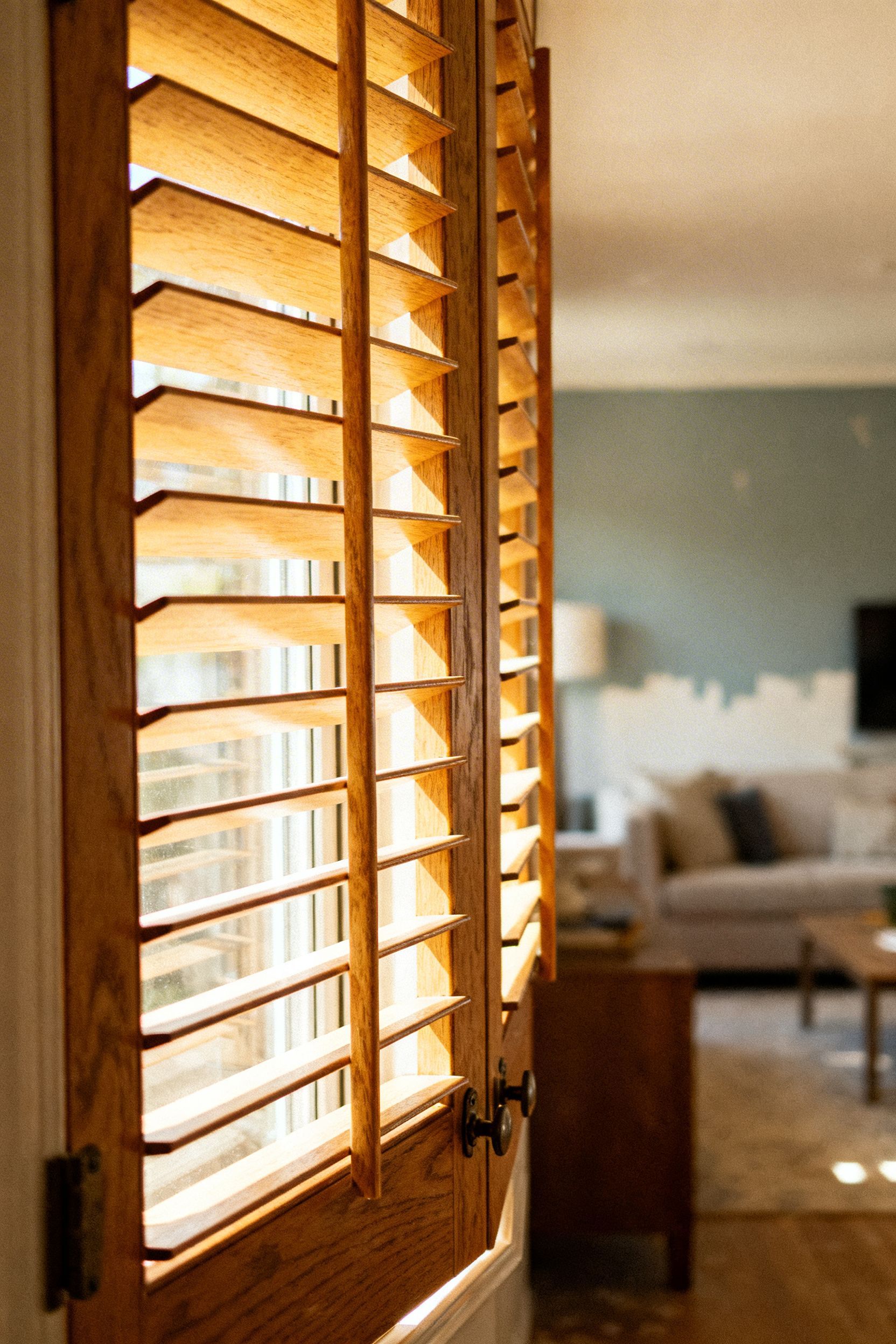
Understanding expected lifespan helps you plan, but sometimes proactive upgrading before failure makes better financial sense than waiting for complete breakdown. Several scenarios warrant early replacement consideration.
Major home renovations create natural upgrade opportunities. If you're repainting, replacing flooring, or updating furniture, including window treatments in the refresh ensures everything coordinates properly. Mismatched blinds undermine renovation investments by making updated spaces look incomplete. Since you're already disrupting the home and managing contractor schedules, adding blind installation creates minimal additional inconvenience.
Energy efficiency upgrades represent another compelling reason for early replacement. If your 6-year-old aluminum mini blinds still function but you're concerned about rising energy costs, upgrading to insulating cellular shades pays for itself through reduced HVAC expenses. The improvement in comfort and energy performance justifies replacement even when existing treatments technically have life remaining.
Life Changes and Evolving Needs
Your household circumstances influence optimal upgrade timing beyond simple durability considerations.
Safety concerns should trigger immediate replacement regardless of age. Corded blinds in homes with young children or pets pose serious strangulation risks. Modern cordless alternatives and motorized options eliminate these hazards entirely. No amount of remaining lifespan justifies compromising family safety—upgrade immediately when circumstances change.
Changing aesthetic preferences matter too. You might install neutral beige blinds planning to stay a few years, then decide this is your forever home. Suddenly those functional-but-boring blinds feel inadequate for a space you'll enjoy for decades. Quality of life improvements often justify replacement before technical end-of-life.
Home sale preparation represents a special case. Even blinds with several years of life remaining may not present well enough for the real estate market. Buyers notice outdated or worn window treatments, and the relatively small investment in new blinds often returns 75-100% of cost through faster sales and higher offers. Real estate professionals consistently recommend window treatment updates as high-ROI improvements for homes entering the market.
Maximizing Your Investment: Long-Term Strategy
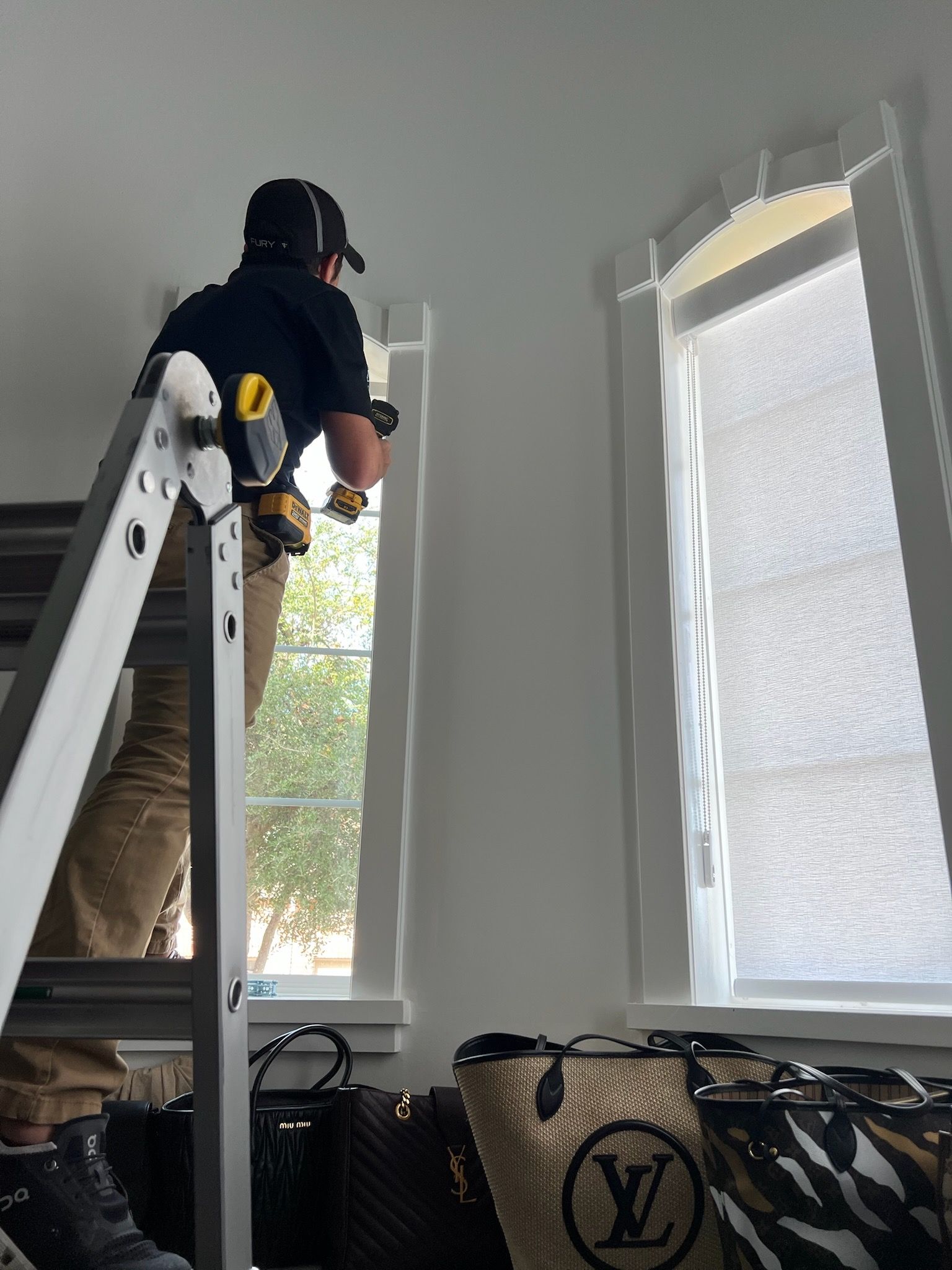
Smart homeowners think strategically about window treatment investments rather than reacting to failures. A comprehensive approach delivers better results and typically better value than piecemeal replacements.
Creating a replacement schedule based on expected lifespans helps you budget effectively and avoid surprise expenses. If you installed faux wood blinds throughout your home in 2018, you can reasonably expect to budget for replacement around 2025-2028. Planning ahead allows you to take advantage of sales, seasonal promotions, and bundled installation discounts rather than paying premium prices for emergency replacements.
Strategic timing provides additional benefits. Replacing all main-floor blinds simultaneously ensures perfect color matching—dye lots vary even in identical products ordered months apart. Coordinated installation takes one day rather than multiple disruptions spread over months. Volume discounts on materials and installation reduce per-window costs significantly compared to replacing one or two windows at a time.
Quality Versus Economy: The Real Math
The initial price difference between economy and premium blinds misleads many homeowners into false economy. Running the actual numbers reveals that higher-quality treatments often cost less over time.
Consider this comparison for a typical Kentucky home with 12 windows:
Economy aluminum blinds:
- Initial cost: $600 total
- Expected lifespan: 5 years
- Replacement cycle cost over 15 years: $1,800
- Energy impact: Minimal insulation value
Premium faux wood blinds:
- Initial cost: $1,800 total
- Expected lifespan: 10 years
- Replacement cycle cost over 15 years: $2,700
- Energy impact: Moderate insulation, reduces costs ~$150/year = $2,250 savings over 15 years
- Net cost after energy savings: $450 total
Premium cellular shades:
- Initial cost: $2,400 total
- Expected lifespan: 8 years
- Replacement cycle cost over 15 years: $4,800
- Energy impact: Excellent insulation, reduces costs ~$350/year = $5,250 savings over 15 years
- Net cost after energy savings: Actually profitable at -$450
This analysis demonstrates why focusing solely on purchase price misses the complete picture. Energy savings and reduced replacement frequency make higher-quality blinds financially superior despite higher upfront investment.
The Bottom Line: Planning for Success
Understanding blind lifespan helps Kentucky homeowners make informed decisions about purchases, maintenance, and replacement timing. Rather than wondering whether your blinds will suddenly fail or questioning whether you're replacing them prematurely, you can develop a strategic approach based on realistic expectations.
Most quality blinds deliver 7-10 years of good service in Kentucky homes when properly maintained. Premium options like plantation shutters can last 15-20 years, while economy aluminum blinds typically need replacement around year 5-7. Your specific results depend on material choice, installation quality, usage patterns, and how well you control your home's environment.
The investment in quality window treatments pays dividends through extended lifespan, improved energy efficiency, enhanced home appearance, and better daily function. Skimping on initial purchase price to save a few hundred dollars typically costs more over time through earlier replacement needs and higher energy bills.
Ready to invest in window treatments built to last?
Explore Love is Blinds Kentucky's Durable Solutions, where we specialize in long-lasting window treatments specifically selected for Kentucky's climate challenges. Our experienced team helps you choose blinds and shades that balance upfront investment with total cost of ownership—backed by manufacturer warranties and our commitment to expert installation. We serve Lexington, Corbin, Murray, Paducah, and surrounding Kentucky communities with professional service that maximizes your investment. Schedule your free in-home consultation today to discover which window treatments offer the best combination of durability, energy efficiency, and style for your specific needs.