The Complete Guide to Choosing Window Shades for Every Room in Your Kentucky Home
Most Kentucky homeowners approach window shades the same way: they find a style they like, pick a color, and order the same thing for every window. But rooms have different needs, windows have different challenges, and what works beautifully in your living room might be completely wrong for your bedroom.
Professional designers know that choosing window shades isn't about finding one perfect product. It's about understanding how each room functions, what problems need solving, and which shade types deliver the results you actually need.
A south-facing bedroom flooded with morning light requires different solutions than a basement home office struggling for natural brightness. Your kitchen windows need easy-to-clean materials that handle humidity, while your media room demands light control that eliminates screen glare.
When you match window shades to room-specific needs instead of just decorative preferences, you create a home that looks intentional and feels comfortable all day long.
Why Room Function Should Drive Your Window Shade Choices
Every room in your home serves a different purpose, faces different directions, and presents unique challenges. Ignoring these factors leads to:
- Bedrooms too bright for quality sleep
- Living rooms with uncomfortable glare
- Privacy issues in bathrooms and street-facing rooms
- Energy waste from poorly insulated windows
- Constant adjustments trying to get light "just right"
The right window shades solve these problems without you thinking about them. Let's explore which shades work best for each space in your Kentucky home.
Bedroom Window Shades: Prioritizing Sleep Quality and Privacy
Your bedroom needs darkness for restful sleep, privacy from neighbors, and temperature control for year-round comfort. These aren't just preferences, they directly impact your health and energy levels.
Common bedroom window challenges:
- Early morning sunlight disrupting sleep schedules
- Street lights and outdoor lighting at night
- Privacy concerns from neighboring homes
- Temperature fluctuations affecting sleep quality
- Different light needs for couples with different schedules
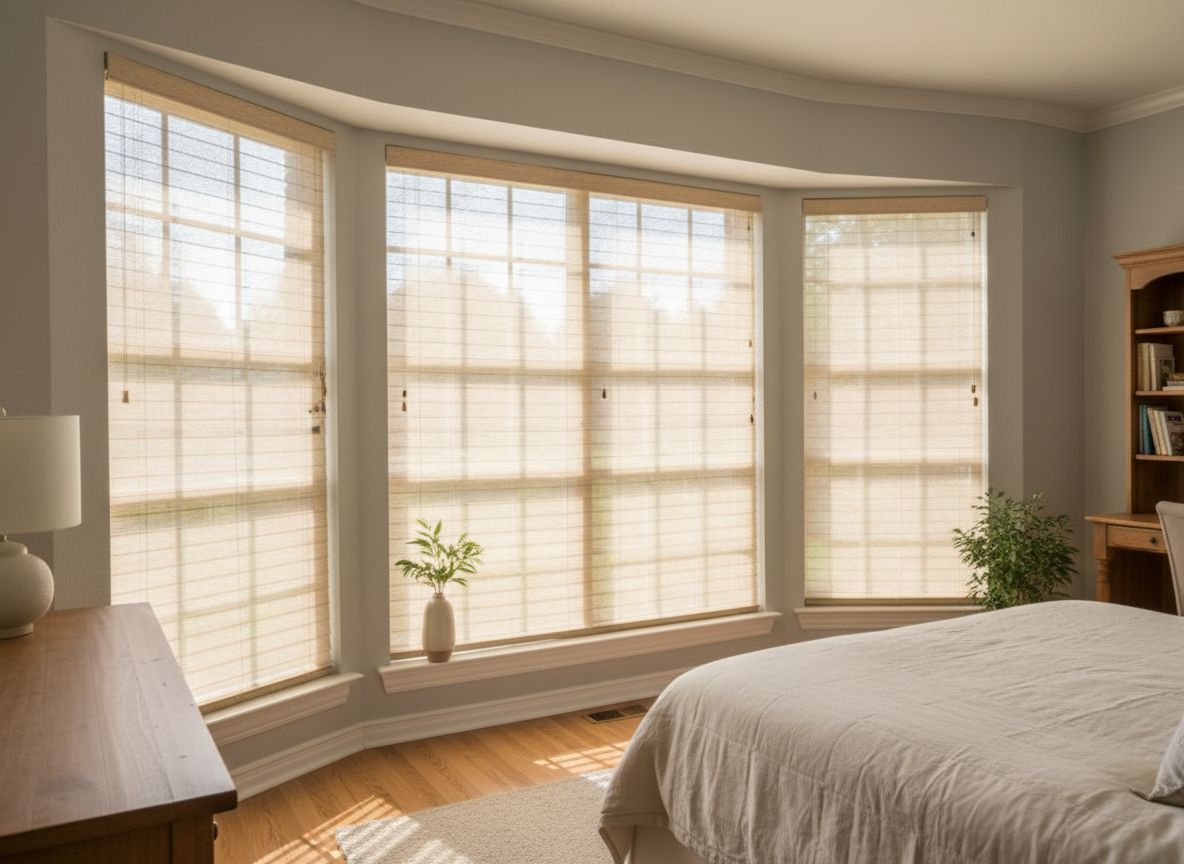
- A frame window shades needed for unique architectural styles
Best window shade options for bedrooms:
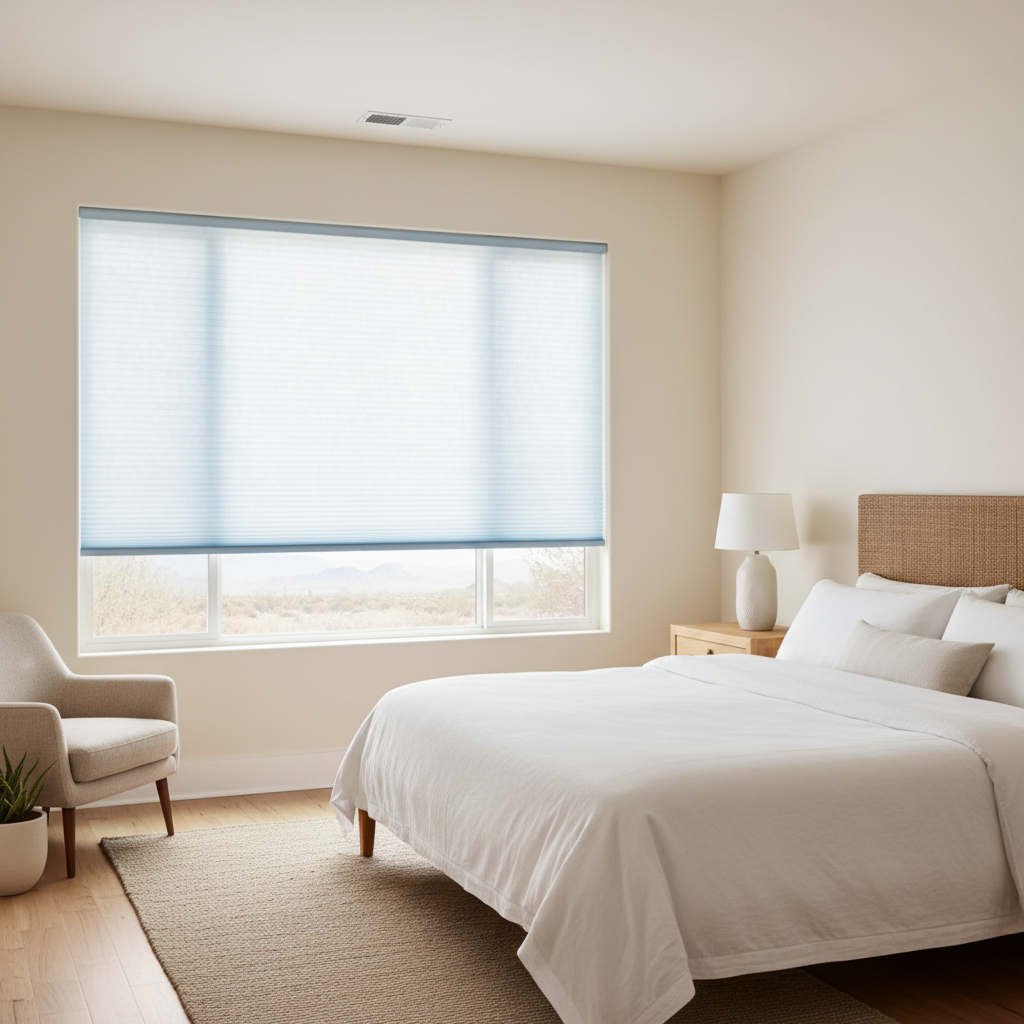
Blackout Cellular Shades. These are the gold standard for bedroom windows. The honeycomb structure provides excellent insulation while blackout fabrics block 99% of incoming light. Cellular shades create the dark, quiet environment essential for deep sleep. Many homeowners choose cordless or motorized options for safety and convenience.
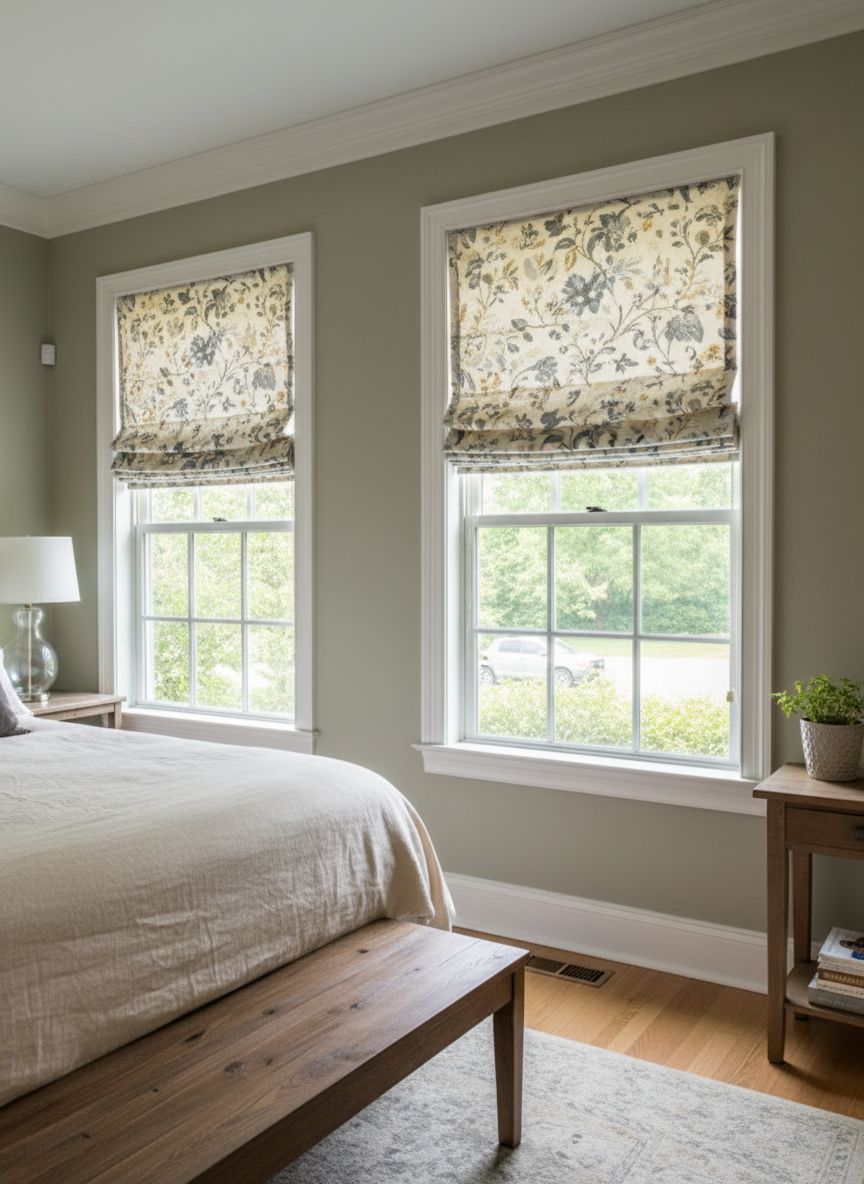
Blackout Roman Shades. If you want bedroom elegance with complete light control, blackout roman window shades deliver both. The soft fabric folds add dimension and warmth while the blackout lining ensures darkness when you need it. Roman shade shades work especially well in master bedrooms where style matters as much as function.
Dual Shades (Layered Roller Shades or Zebra Shades). These innovative window treatments combine sheer and blackout fabrics in one system. During the day, use the sheer layer for soft, filtered light. At night, lower the blackout layer for complete darkness. This flexibility makes dual shades perfect for bedrooms where you want options throughout the day.
Top-Down Bottom-Up Cellular Shades. These shades let you lower the top for natural light while keeping the bottom raised for privacy. This is ideal for bedrooms facing streets or close neighbors, and you get morning brightness without anyone seeing inside.
Why it works: Bedroom shades need to block light completely while providing insulation and privacy. Quality blackout materials make the difference between restless nights and deep, restorative sleep.
Living Room Window Shades: Balancing Natural Light and Glare Control
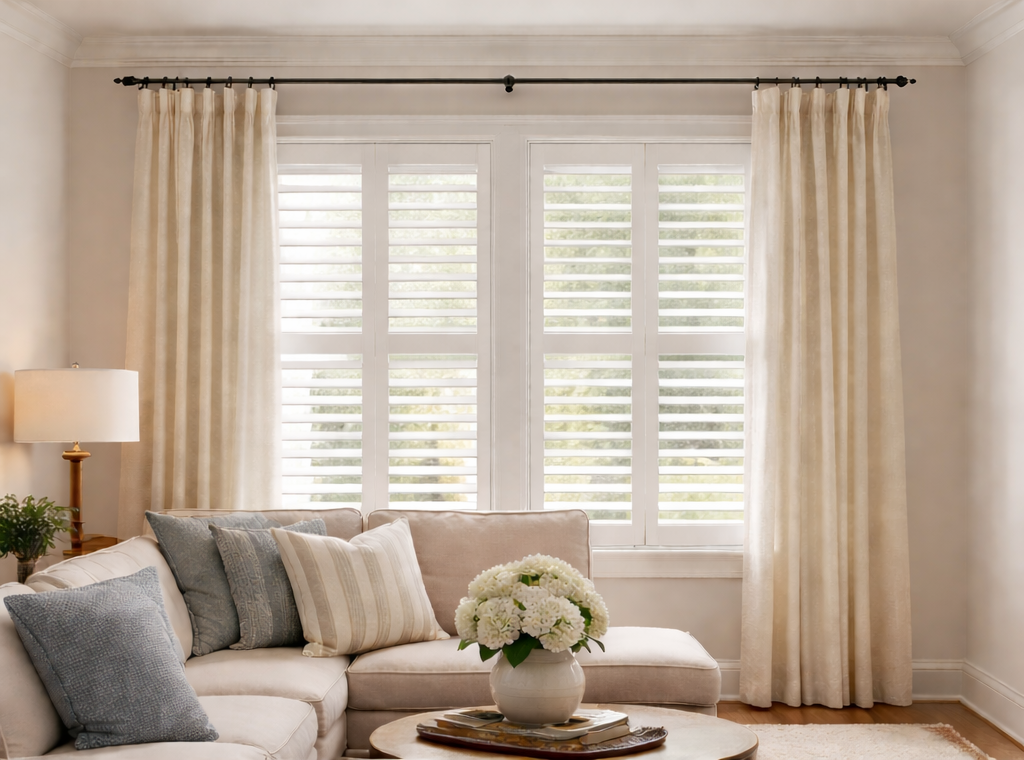
Living rooms are where families gather, guests visit, and you want spaces to feel bright and welcoming. But too much uncontrolled sunlight creates glare on screens, fades furniture, and makes rooms uncomfortably hot.
Common living room window challenges:
- TV screen glare during afternoon hours
- Heat gain from south and west-facing windows
- Desire for views without sacrificing privacy
- Furniture and flooring fading from UV exposure
- Need for adjustable light throughout the day
Best window shade options for living rooms:
Solar Shades. These are designed specifically to reduce glare and heat while maintaining your outdoor view. Solar shades come in different openness factors (1%, 3%, 5%, 10%, 14%) that determine how much light and view they allow. Tighter weaves (1-5%) block more light and provide better privacy, while looser weaves (10-14%) maintain clearer views. They're perfect for living rooms with TV screens or home theaters.
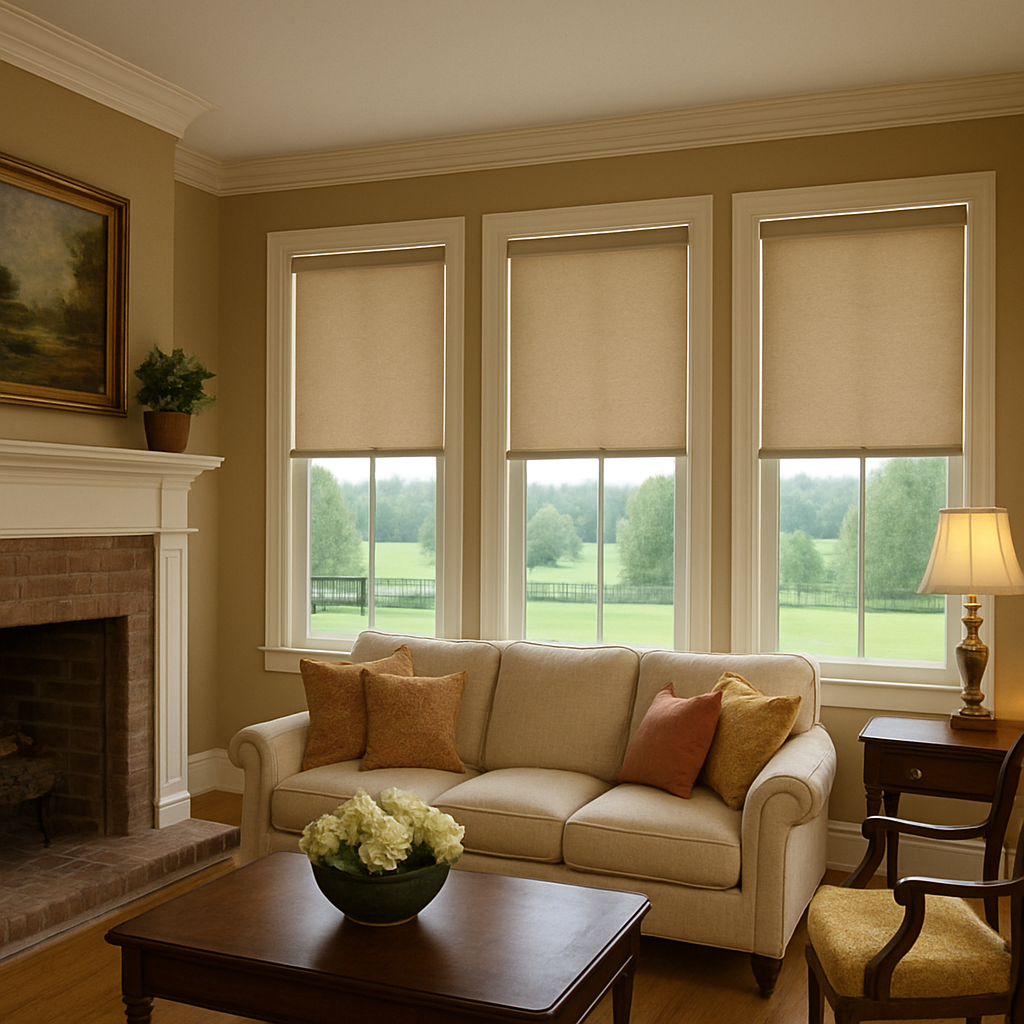
Light-Filtering Cellular Shades. When you want soft, diffused light without complete darkness, light-filtering cellular shades are excellent. They soften harsh sunlight, provide daytime privacy, and offer energy-saving insulation. The honeycomb cells create a clean, contemporary look that complements modern and traditional decor.
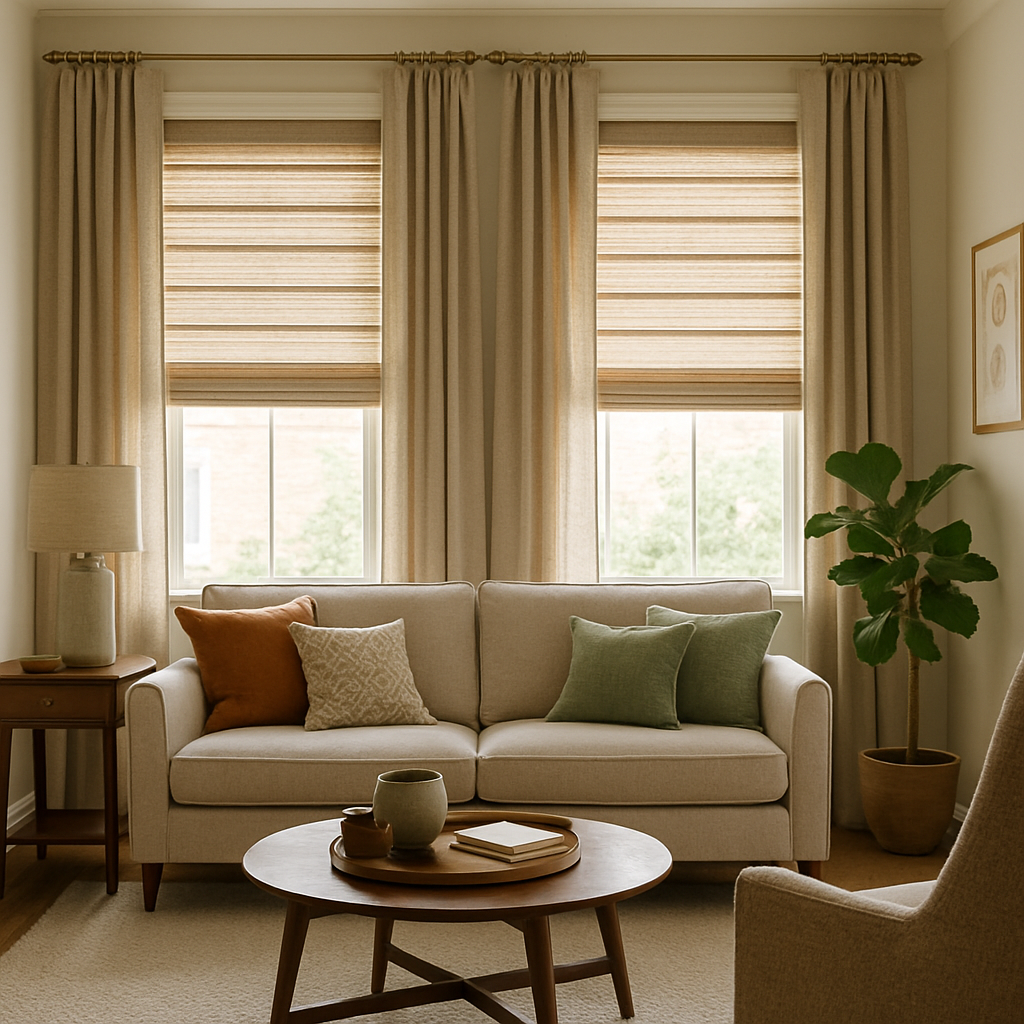
Woven Wood Shades. For living rooms where you want natural texture and warmth, bamboo roman shade styles and woven wood shades add organic beauty. These shades filter light naturally, creating ambient brightness that feels inviting. Pair unlined woven wood shades with curtains for privacy when needed, or choose privacy-lined versions for better light control.
Roman Window Shades. Classic roman shade shades bring sophisticated style to formal living rooms. The horizontal pleats add visual interest while fabric choices let you control exactly how much light enters. Roman shades work beautifully on standard windows and can be custom-made for bay windows and specialty shapes.
Why it works: Living room shades balance aesthetics with function, giving you comfortable light levels for conversation, entertainment, and relaxation.
Kitchen Window Shades: Easy Maintenance Meets Moisture Resistance
Kitchens face unique challenges; cooking moisture, grease particles in the air, and the need for easy cleaning. Your kitchen window shades must withstand these conditions while providing privacy and light control.
Common kitchen window challenges:
- Grease and cooking residue settling on fabrics
- Moisture from cooking affecting materials
- Need for easy-to-clean surfaces
- Privacy from neighbors while washing dishes
- Desire for natural light while food prepping
Best window shade options for kitchens:
Roller Shades. Vinyl and synthetic roller shades are perfect for kitchens because they're incredibly easy to clean. Simply wipe them down with a damp cloth and mild soap. Roller shades resist moisture, don't absorb odors, and maintain their appearance even in high-humidity cooking environments. They roll up completely to maximize light and window views.
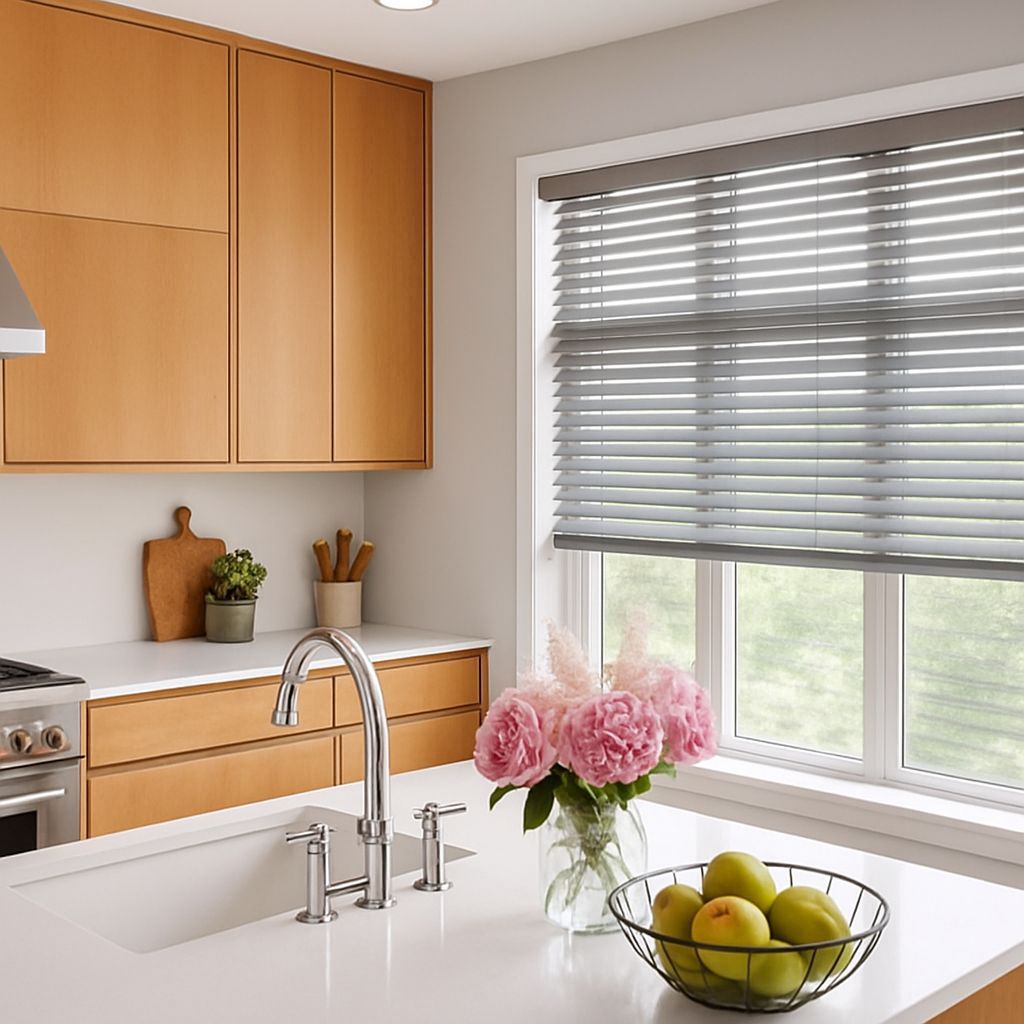
Faux Wood Blinds. While technically blinds rather than shades, faux wood blinds deserve mention for kitchens. They resist warping from moisture, clean easily, and provide adjustable light control. The horizontal slats let you direct light precisely while maintaining privacy.
Solar Roller Shades. If your kitchen gets intense afternoon sun that heats the space uncomfortably, solar shades reduce heat gain while letting you see outside. This is especially valuable for sink windows where you want views while working.
Why it works: Kitchen shades need durability and easy maintenance above all else. Materials that resist moisture and wipe clean keep your kitchen looking fresh with minimal effort.
Bathroom Window Shades: Privacy Without Sacrificing Natural Light
Bathrooms require the highest privacy levels while still benefiting from natural light. The challenge is finding window treatments that handle moisture while giving you complete visual screening.
Common bathroom window challenges:
- Need for total privacy at all times
- Moisture and humidity affecting materials
- Limited wall space for mounting
- Small windows that need maximum light
- Awkward window placement (above tubs, in showers)
Best window shade options for bathrooms:
Top-Down Bottom-Up Cellular Shades. These are ideal for bathroom privacy. Lower the shade from the top to let natural light flood in while keeping the bottom portion closed for complete privacy. You get brightness without anyone seeing inside—perfect for bathrooms facing streets or neighboring homes.
Roller Shades with Moisture-Resistant Fabrics. Choose roller shades specifically designed for high-humidity environments. Vinyl and synthetic materials resist moisture damage and won't develop mold or mildew. Blackout or privacy fabrics ensure no one can see through even when backlit.
Cellular Shades with Moisture Barriers. Some cellular shade manufacturers offer moisture-resistant versions designed for bathrooms. These maintain the insulation benefits while standing up to steam and humidity.
Tension Rod Window Shades. For rental properties or temporary solutions, tension rod shades install without drilling or permanent mounting. They fit inside the window frame using adjustable tension rods and can be removed when you move.
Why it works: Bathroom shades must prioritize privacy first while using materials that resist moisture damage. Top-down operation gives you light without compromising privacy.
Home Office Window Shades: Eliminating Glare and Controlling Temperature
Working from home means your office window treatments directly impact productivity. Glare on computer screens, temperature fluctuations, and distracting outdoor movement all reduce your ability to focus.
Common home office window challenges:
- Screen glare from windows behind or beside monitors
- Difficulty seeing screens during video calls
- Temperature discomfort affecting concentration
- Outside distractions visible through windows
- Need for professional appearance during video meetings
Best window shade options for home offices:
Solar Shades with 3-5% Openness. These shades dramatically reduce glare while maintaining some outward visibility. The tight weave blocks harsh sunlight that reflects on screens while creating a neutral, professional background for video calls. Solar shades also reduce heat gain, keeping offices comfortable during afternoon work hours.
Dual Roller Shades. Layer light-filtering and solar fabrics for ultimate flexibility. Use the solar layer during peak sunlight hours to eliminate glare, then switch to light-filtering for softer ambient light. This adaptability supports different tasks throughout your workday.
Cellular Shades for Insulation. If your home office gets uncomfortably hot or cold, cellular shades provide year-round temperature control. The insulating air pockets reduce heat transfer, lowering energy costs while keeping you comfortable. Light-filtering cellular shades offer both insulation and glare reduction.
Why it works: Home office shades need to solve specific productivity challenges—glare elimination, temperature stability, and professional appearance. The right shades make your workspace more comfortable and functional.
Basement Window Shades: Maximizing Limited Natural Light
Basement windows are typically small, positioned high on walls, and don't provide much natural light. The challenge is enhancing available brightness while maintaining privacy from ground-level positioning.
Common basement window challenges:
- Limited natural light creating dark spaces
- Privacy concerns from ground-level placement
- Awkward window positioning making operation difficult
- Desire for finished appearance without complex installation
Best window shade options for basements:
Light-Filtering Cellular Shades. These shades diffuse and maximize whatever natural light enters your basement windows. The honeycomb structure softens light while the filtering fabric brightens the entire room. White or light-colored cellular shades reflect light into the space rather than absorbing it.
Top-Down Bottom-Up Shades. Lower the shade from the top to bring in maximum natural light while keeping the bottom closed for privacy. This is perfect for basement windows at or near ground level where people might walk past.
Tension Rod Window Shades. For basement windows where you want a simple, no-drill installation, tension rod shades work beautifully. They fit inside the window frame using adjustable rods and can be installed or removed in minutes.
Why it works: Basement shades should enhance limited light rather than block it. Light-filtering materials and top-down operation maximize brightness while maintaining privacy.
Measuring for Window Shades: Getting Professional Results
Accurate measurements ensure your window shades fit perfectly, operate smoothly, and look custom-made for your windows. Even small measurement errors can create light gaps and installation problems.
Inside Mount vs. Outside Mount:
Inside mount shades fit within the window frame, creating a clean, built-in appearance. This works when you have adequate depth (at least 2-3 inches) and want to show off decorative window trim.
Outside mount shades attach to the wall above the window frame, making windows appear larger and providing better light blockage. This is ideal for shallow windows or when you want to cover trim and wall space.
If you're unsure about measurements, Love is Blinds offers free consultations with included measuring services. This ensures perfect fit and eliminates costly ordering mistakes.
How to Clean Different Types of Window Shades
Proper cleaning extends the life of your window shades and keeps them looking fresh. Different materials require different approaches.
Cellular Shades / Honeycomb Shades:
Regular maintenance: Dust weekly with a microfiber cloth or vacuum with a brush attachment on low power. Work from top to bottom, following the pleats.
Deep cleaning: Fill a bathtub with 2-3 inches of lukewarm water and mild detergent. Fully extend the shades and gently submerge them. Swish back and forth, then rinse thoroughly with clean water. Hang to dry completely, and never reinstall wet shades as moisture can damage the mechanisms.
Roman Shades:
Regular maintenance: Vacuum with a brush attachment to remove dust from fabric folds.
Spot cleaning: Mix mild dish soap with warm water. Dampen a clean white cloth (not dripping wet) and gently blot stains. Never rub vigorously as this can damage fabric or spread stains. Always test in an inconspicuous area first.
Deep cleaning: Many roman shade fabrics can be professionally dry cleaned. Remove the shade from mounting brackets and take it to a cleaner experienced with window treatments. Never machine wash unless manufacturer explicitly permits it.
Roller Shades:
Vinyl and synthetic roller shades are the easiest to clean. Wipe down with a damp cloth and mild soap solution. For stubborn marks, use a soft sponge with gentle pressure. Dry thoroughly to prevent water spots.
Woven Wood and Bamboo Shades:
Dust regularly with a dry microfiber cloth or vacuum with a brush attachment. Avoid water on natural materials as it can cause warping or discoloration. For deep cleaning, consult the manufacturer—some bamboo shades can tolerate light moisture while others cannot.
Fabric Shades:
Use a lint roller for quick dust removal between deeper cleanings. For washable fabrics, follow manufacturer instructions carefully. Most fabric shades benefit from professional cleaning every few years.
Common Window Shade Questions Answered
Should all my window shades match throughout the house?
Not necessarily. While matching creates visual uniformity, it's often not the best functional choice. Different rooms have different needs: bedrooms need blackout capabilities, bathrooms need privacy, living rooms need glare control. Instead of matching exactly, create cohesion through similar color families or coordinated styles. Your home will look more intentional when shades are chosen for each room's specific requirements.
What are the best window shades for energy efficiency?
Cellular shades (honeycomb shades) provide the best insulation. The air pockets in the honeycomb cells trap air, reducing heat transfer through windows by up to 40% in winter and 80% in summer. Double-cell cellular shades offer even better insulation than single-cell versions.
How do you close window shades?
Most modern shades use cordless lift systems. Simply pull the bottom rail down gently to close. For corded shades, pull the lift cord to lower the shade. Top-down bottom-up shades have separate controls for top and bottom operation.
How to put window shades down?
Grasp the bottom rail and gently pull downward until the shade is fully extended. Cordless shades use a tension system that holds them at your desired height. Release gently to avoid rapid rolling.
How to remove window shades?
For inside-mount shades, remove the decorative end caps from the headrail, then slide the entire shade out of the mounting brackets toward you. Outside-mount shades typically have release tabs or clips on the mounting brackets—press these while lifting the headrail up and out. Call Love is Blinds Kentucky for removal of any old shades you would want removed or replaced.
Are cellular shades worth the investment?
Yes, especially in Kentucky's climate with hot summers and cold winters. Cellular shades reduce energy costs, provide excellent light control, offer noise reduction, and typically last 10-15 years. The energy savings often offset the higher upfront cost within a few years.
What size cellular shades should I get?
Cell size refers to the depth of the honeycomb pockets. Standard options include 3/8", 1/2", 3/4", and 1" cells. For most residential windows, 1/2" cells provide the best balance of appearance and insulation. Larger windows benefit from 3/4" or 1" cells for enhanced energy efficiency. Smaller decorative windows look best with 3/8" cells.
How much do roman shades cost?
Roman shades typically range from $80 to $400+ per window depending on size, fabric quality, and customization. Basic roman shades with standard fabrics cost less, while custom designer fabrics, blackout linings, and specialty features increase the price. Professional installation adds $50-100 per window.
Lined vs. unlined bamboo shades: which is better?
Unlined bamboo shades filter light naturally and show the beautiful texture of the woven material, but provide minimal privacy. Lined bamboo shades (woven wood shades) offer better light control and privacy while sacrificing some of the natural texture visibility. For bedrooms and bathrooms, lined versions work better. For living rooms and dining rooms where you want ambiance, unlined bamboo shades create warm, filtered light.
Ready to Transform Your Kentucky Home with Perfect Window Shades?
Choosing the right window shades isn't about finding one solution for every window, it's about understanding each room's unique needs and selecting shades that solve specific challenges while enhancing your home's beauty.
At Love Is Blinds KY, we help Kentucky homeowners navigate these decisions every day. Our experienced team evaluates your windows, discusses your lifestyle and preferences, and recommends solutions perfectly matched to each space in your home.
Whether you need blackout shades for better sleep, solar shades to reduce glare, or cellular shades for energy savings, we bring expertise, quality products, and personalized service to every consultation.
Schedule your free in-home consultation today and discover which window shades will transform your Kentucky home into a more comfortable, beautiful, and energy-efficient space.